01
No feeding wildlife
Guests are briefed not to feed, touch, call, chase, or crowd orangutans, elephants, or other wildlife.
Bukit Lawang and Tangkahan are not theme parks. They are living rainforest routes connected to local families, guides, rivers, wildlife, and village economies.
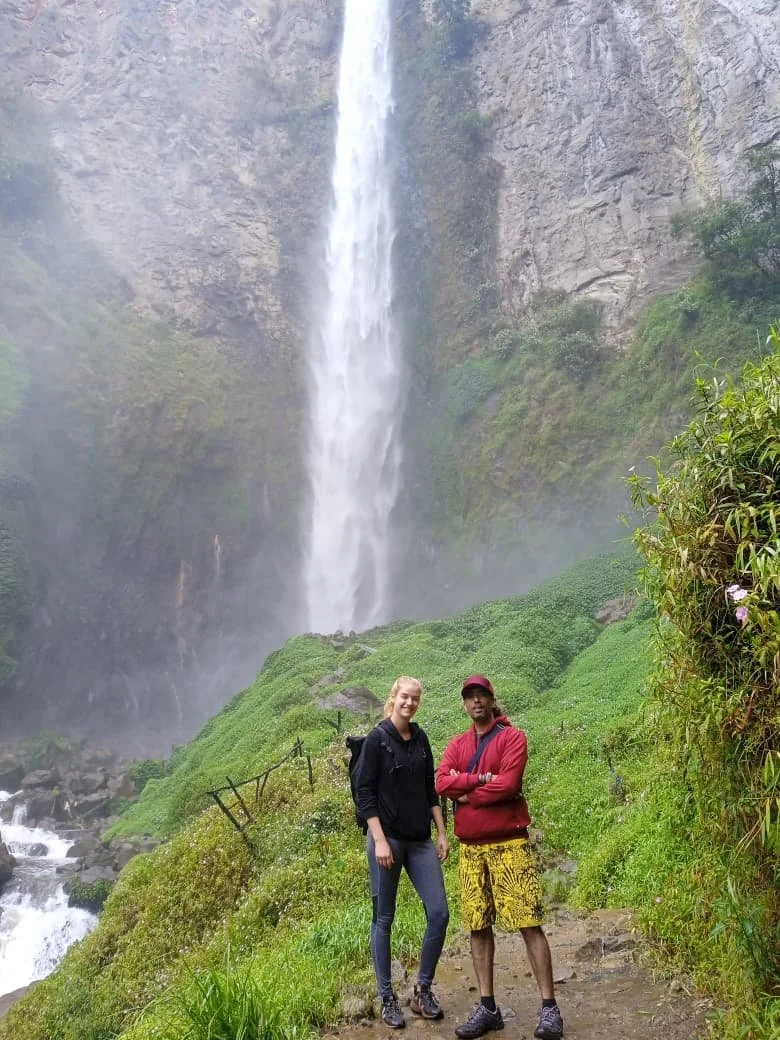
Responsible travel changes how a route is paced, who guides it, what guests are told before an activity, and how much pressure we place on wildlife and its habitat.
Guests are briefed not to feed, touch, call, chase, or crowd orangutans, elephants, or other wildlife.
The guide controls spacing and pace. If an area is busy, the route can wait or adjust.
Jungle routes are arranged with local partners who understand trails, weather, forest conditions, and guest safety.
We do not offer or promise elephant riding, feeding, bathing, touching, or close-contact encounters. Viewing is kept at a respectful distance.
Responsible does not mean less memorable. It means the trip is calmer, more respectful, and easier to trust.
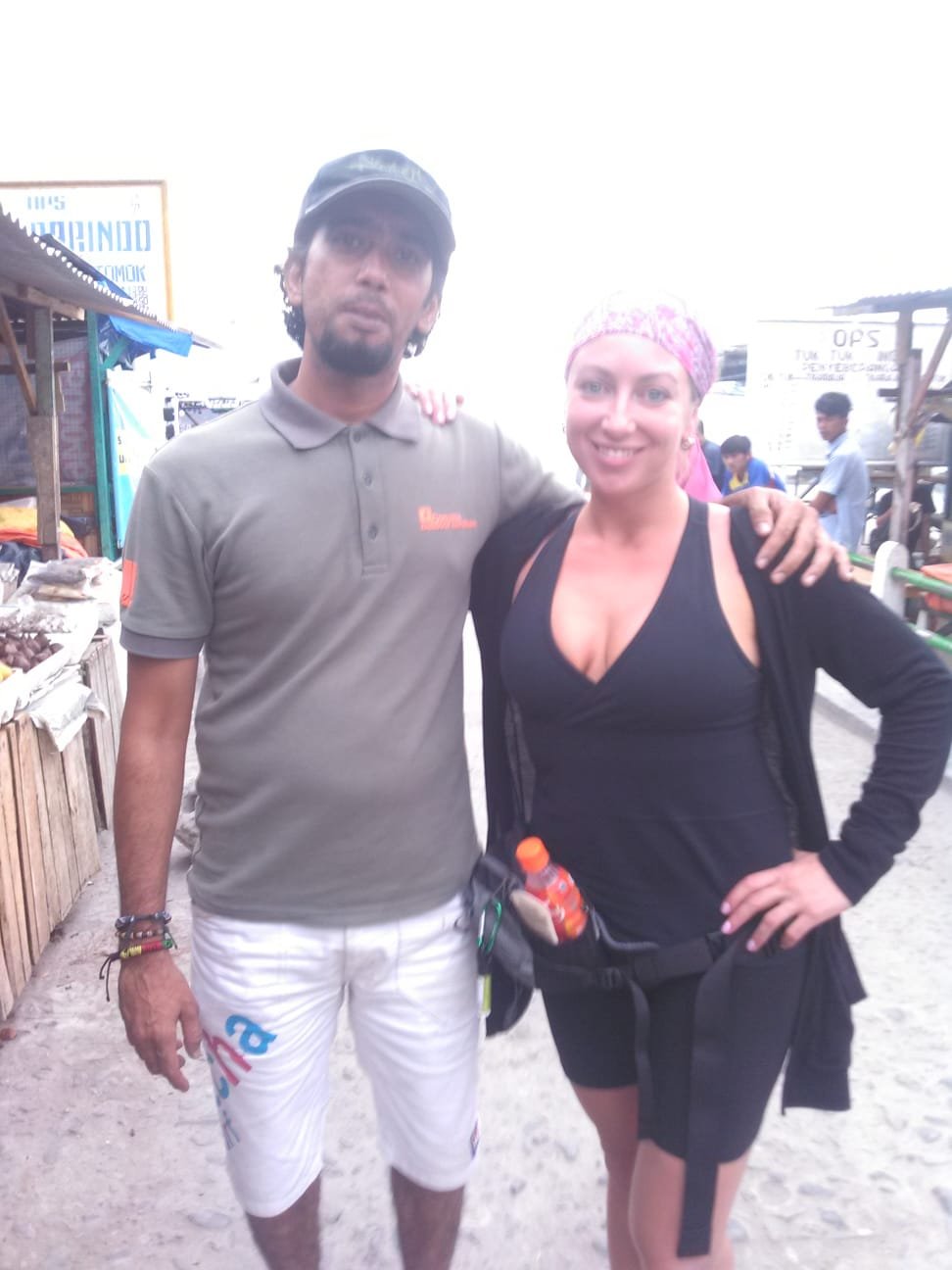
Guests get simple ground rules: no feeding, keep a safe distance, follow local guide instructions, avoid direct wildlife contact, and keep noise low.
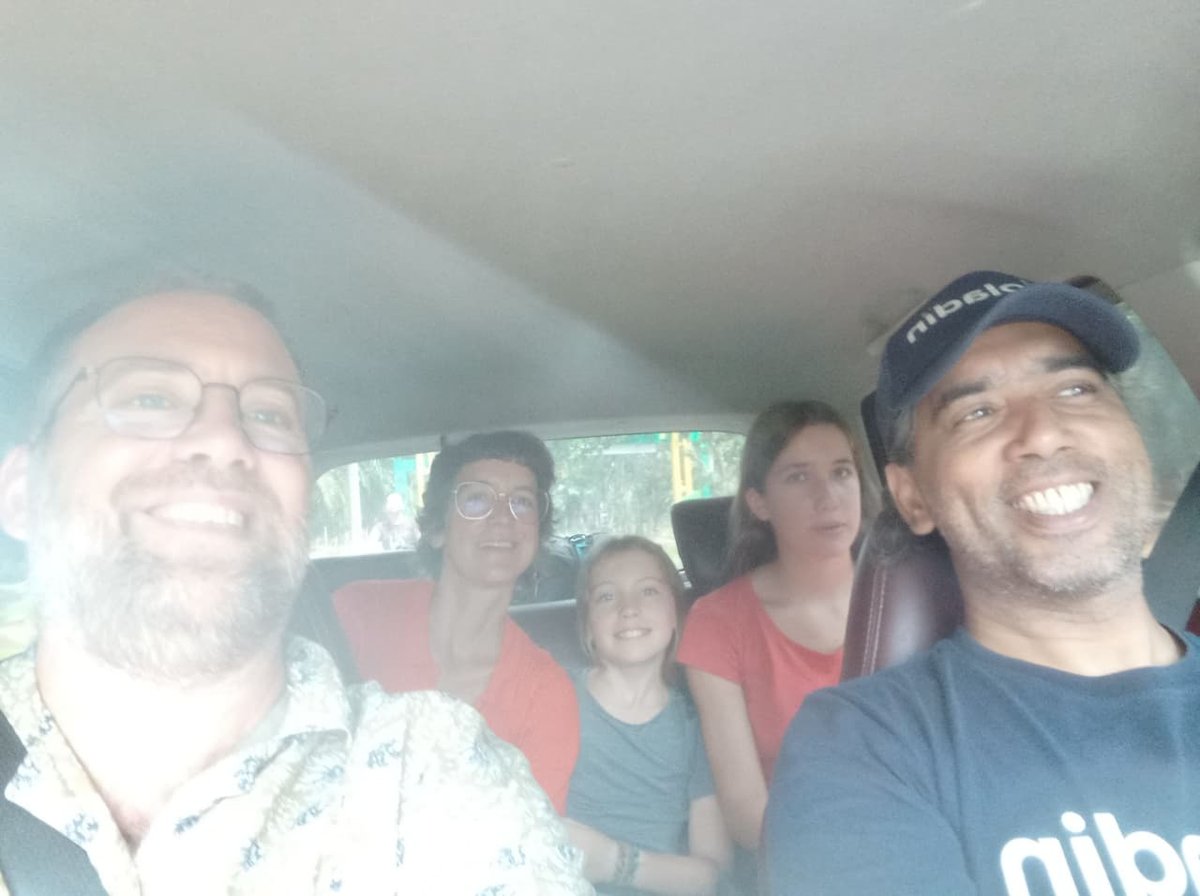
The route can adjust to weather, trail conditions, guest fitness, and wildlife activity. In Tangkahan, elephant viewing remains distant and non-intrusive.
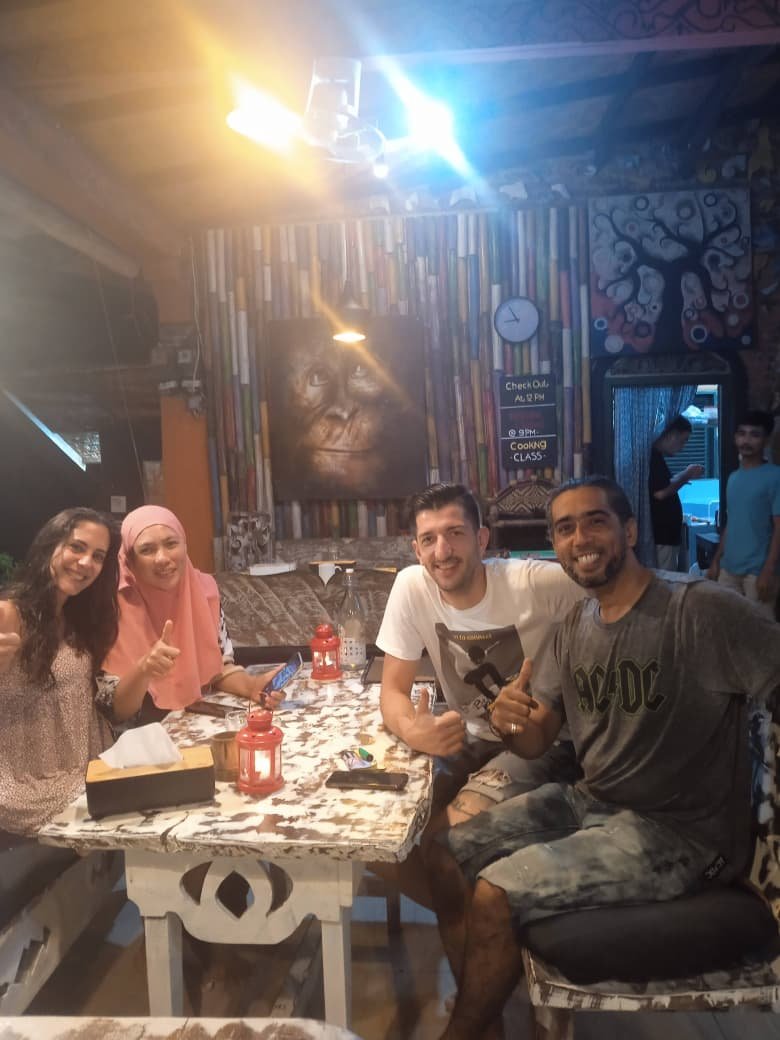
Where possible, routes use local lodges, village meals, and partners who keep money closer to the destination.
Guests are encouraged to share realistic feedback, not staged wildlife promises.
A good eco tour does not promise perfect wildlife moments. It promises careful planning, local respect, and honest expectations.
If your group wants Bukit Lawang, Tangkahan, Lake Toba, or a combined eco route, Ahmad can help shape a route that respects the place.
The same principles apply in Bukit Lawang and Tangkahan: honest expectations, safe distance, local guide direction, and no forced wildlife interaction.
No responsible operator should guarantee wildlife. We can plan the right area, timing, guide partner, and trekking style.
Often yes, if pacing and trek difficulty are matched to the group.
We prioritize local guide partners, local lodges, village food stops, and local route support.
We only plan respectful, distance-based viewing. We do not offer or promise elephant riding, feeding, bathing, touching, or close-contact encounters.